


Get in touch for any enquiries, or to just say hi.
Five Years of Building the Infrastructure Between Brands and Gaming Audiences
In March 2021, Brad Manuel and Indy Khabra launched Livewire with a thesis: gaming is the most undervalued media channel in modern marketing, and one of the fastest-growing opportunities for brands investing in gaming marketing and in-game advertising.
At the time, 3 billion people were playing video games. The audience was evenly split between men and women, spread across every age group, and spent more time gaming than watching traditional television. But brands were spending less than 5% of their advertising budgets on gaming. The infrastructure to reach those audiences at scale, with precision and measurement, simply didn’t exist. As a result, gaming marketing, from in-game advertising to creator-led campaigns, remained one of the most underutilised channels in global media.
Five years later, Livewire operates across North America, EMEA, UAE, and Asia Pacific, with a team of 60 people globally. The company has delivered hundreds of campaigns for brands including Samsung, Amazon, Nike, Uber, Verizon, and A24, earning recognition across 38 industry awards. It co-created IP with partners including the NFL, DAZN and Live Nation.
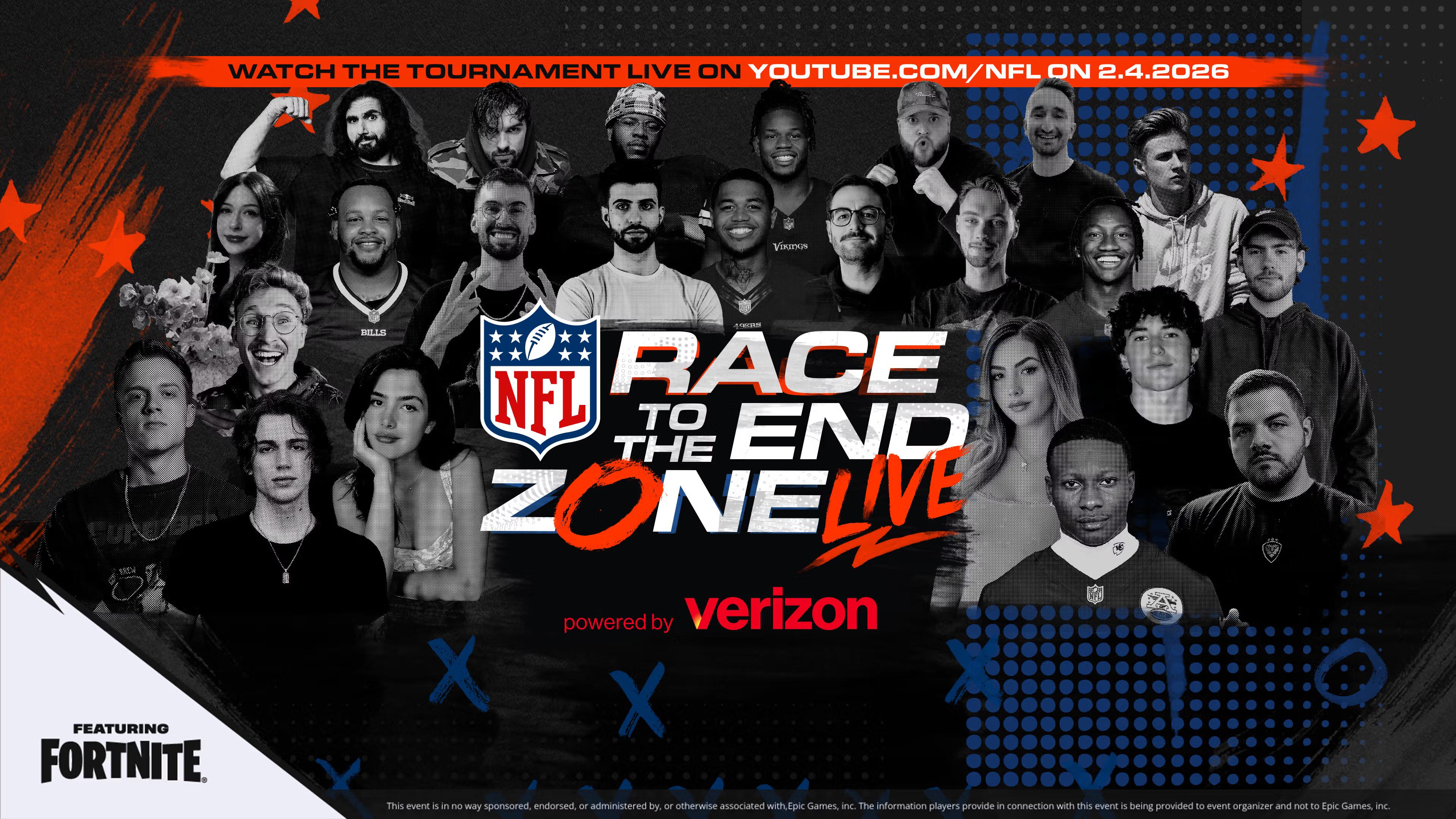
To mark the five-year milestone, Livewire surveyed its global team — from co-founders to recent hires, across Sales, Strategy, Creative, AdTech, and Operations — on what they’ve learned, what they’re proudest of, and where they see the industry heading.
What Got People Here
The most consistent theme in the responses was opportunity. Not in the generic corporate sense, but the specific recognition that gaming was a space where the rules hadn’t been written yet.
- “Breaking new ground and taking advantage of an untapped global opportunity.” — Indy Khabra, Co-Founder & Co-CEO
- “The opportunity for big picture strategic thinking in gaming. Connecting all the disparate parts of the ecosystem into one offering. Building a vision and a team aligned to a much bigger goal.” — Gareth Leeding, Chief Strategy Officer (3 years)
- “Gaming felt largely untapped as an advertising channel — a space where better targeting, measurement, and creative relevance could unlock real value for brands.” — Rebecca Heng, Head of AdTech & Media Ops (11 months)
For the team members who joined more recently, the draw was what Livewire had already built — a platform that covered the full gaming ecosystem, not just a sliver of it.
- “I liked that Livewire was actually built around gaming culture, not just using gaming as another media channel.” — Scott Bilbe, UK Sales Lead (18 months)
- “Livewire’s unique positioning as the single entry point into gaming for brands.” — Tommy Huthansel, Sr. Director of Partnerships (6 months)
The Gaming Marketing Campaigns That Mattered Most
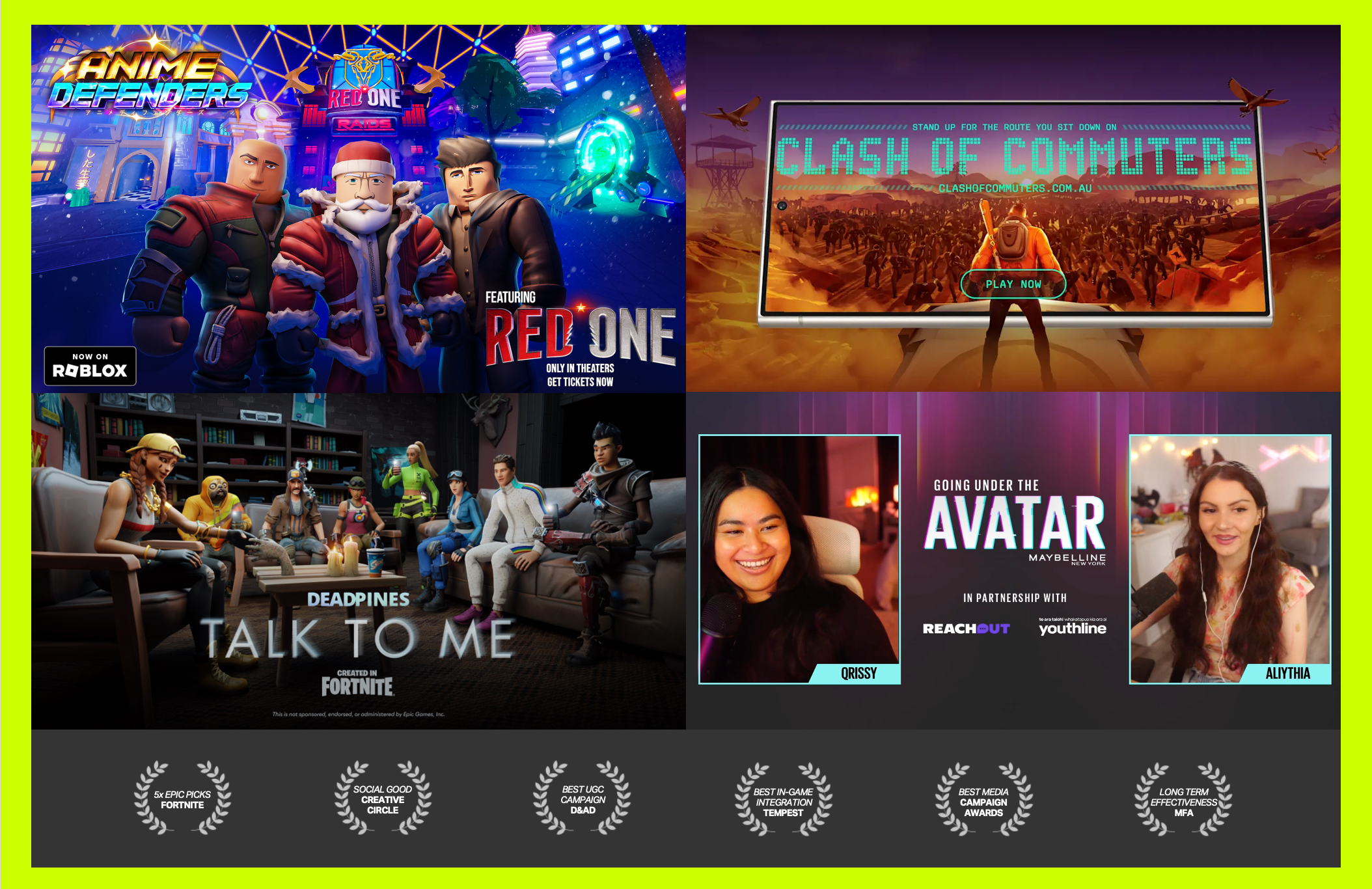
When asked to name their favorite Livewire campaign, the team’s answers spanned the full range of what the company does: Fortnite world builds, Roblox integrations, creator-led content series, in-game advertising, and real-world activations tied to gaming IP.
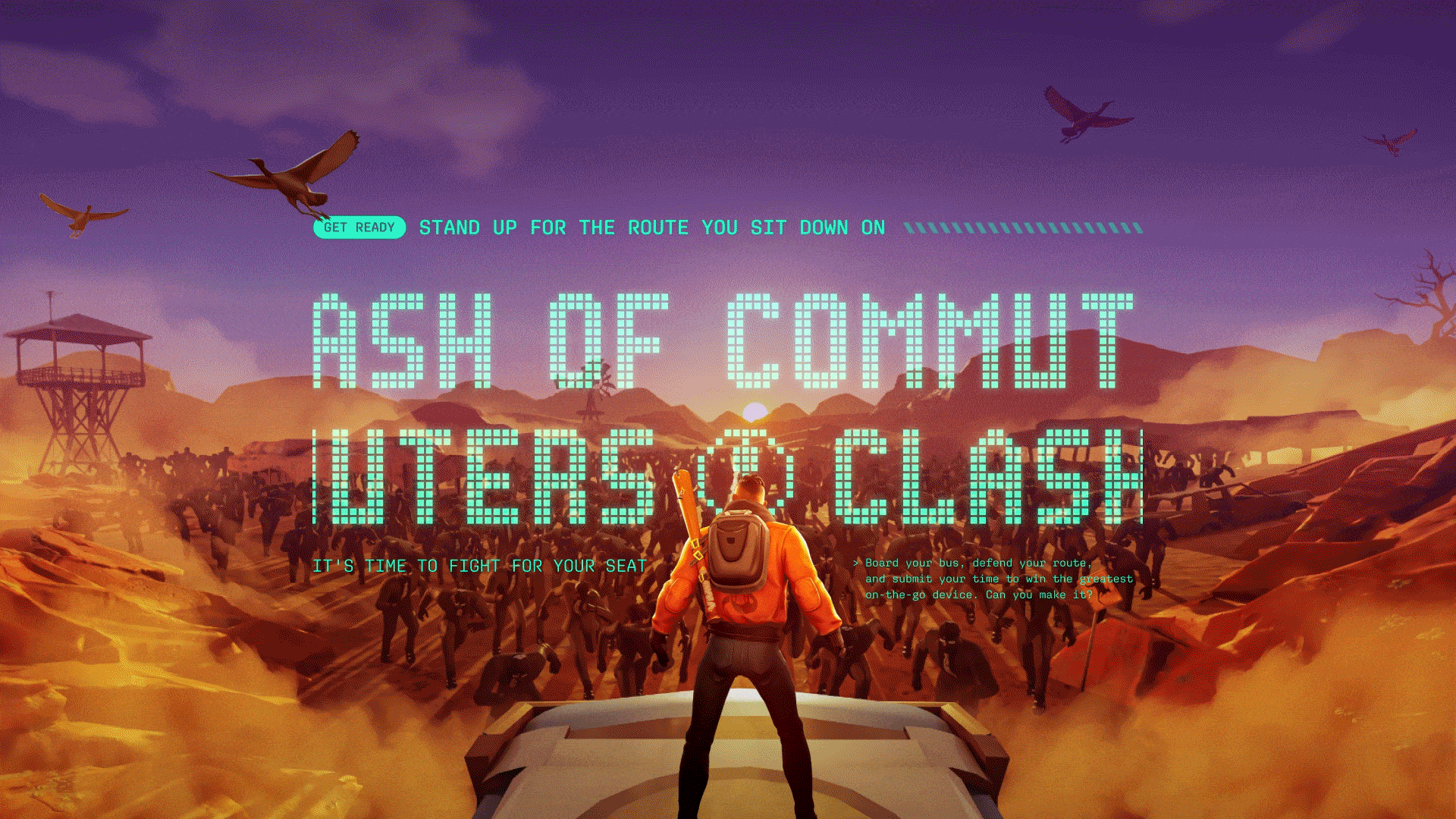
Several campaigns came up repeatedly. Samsung Clash of Commuters, which placed a Fortnite experience at the centre of a full marketing campaign for Samsung in Australia, was a touchstone for the APAC team. The Uber Eats integration into Starfield, which blurred the boundary between in-game and real-world ordering, was a favorite across regions. Harry Potter x Audible on Roblox, the NFL Race to the End Zone series, and Amazon Music One Take each earned mentions from multiple team members.
- “Every time I show it in a meeting, people lose their minds.” — Brooke Delott, Sr. Director of Partnerships, on Uber Eats x Starfield
- “It showed that gaming can sit at the centre of an entire marketing campaign and be the content engine that fuels everything around it.” — Harry Blake, Sales Lead, on Samsung Clash of Commuters
What connected all of these campaigns, regardless of format, was a shared principle: giving the audience something worth their attention — and earning a place within the experience, not interrupting it.
What Five Years Teaches You About Gaming Marketing Campaigns
The survey included a question about what makes a gaming campaign successful. Across 60 responses, from team members with tenures ranging from one week to five years, the same principles surfaced consistently. Authenticity was the most frequently mentioned attribute. Not authenticity as a buzzword, but as a practical requirement: gaming audiences are participatory and vocal, and they will reject anything that feels forced or out of place.
- “Any campaign in gaming must add value to the player so it feels like an exchange. Without that, the brand is just taking. Understanding gamers better than anyone else has always been central to our vision.” — Brad Manuel, Co-Founder (5 years)
- “A truly successful gaming campaign is authentic to the community, seamlessly integrated into gameplay or culture, and delivers clear value to both the audience and the brand. It should feel additive, not disruptive, while driving measurable impact.” — Samantha Schwartz, VP Account Management NA (3 months)
- “The best gaming campaigns deliver real value to players while staying authentic to how they already engage.” — Jack Woodcock, VP, Creative Strategy, EMEA (2 years)
- “Creators are more key to the gaming marketing economy than we realise — they are the cornerstone of credibility, not just amplification.” — Rahman Abdul, Strategy (2 years, 9 months)
- “The most effective campaigns span multiple touchpoints across the gaming ecosystem — not just one platform or moment.” — Fish, GM APAC (First employee, 4 years, 3 months)
And there was a recurring emphasis on measurability: the need to demonstrate concrete results, not just creative ambition.
- “The best gaming campaigns are interactive, measurable, and non-intrusive.” — David Duffield, GM EMEA (3 years)
What Comes Next
Looking ahead, the consensus was clear: gaming is moving from the edges of media plans to the centre.
- “Gaming will stop being a niche element of marketing plans and become a core component that all marketers look to utilise.” — Rob James, Global Creative Director (3 years)
- “It will be at the forefront of media and marketing objectives — similar to what social media did in the 2010s and what CTV is doing now.” — Emmett Bailey, Sr. Director of Partnerships (9 months)
Several team members pointed to the convergence between gaming and other entertainment verticals as the defining trend ahead. Gaming is increasingly the connective tissue between sports, music, film, and live events — and the brands that recognise this will have an advantage.
- “More crossover between gaming and other passions. I think and hope gaming won’t be its own initiative but rather a layer of larger programs.” — Brooke Delott, Sr. Director of Partnerships (2 years)
There was also a consistent view that creator-led models will accelerate, mirroring the evolution of social media marketing.
- “Gaming marketing will mirror the evolution of the social creator economy — becoming more accessible, scalable, and creator-led.” — Chris Johnston, VP Strategy APAC (4 years)
- “Short-form video, UGC, and AI-driven content will reshape how gaming marketing scales over the next five years.” — Pete Basgen, VP Strategy NA (6 months)
Livewire’s own trajectory — building the self-serve platform infrastructure and expanding data capabilities — sits at the centre of this shift. The thesis from five years ago hasn’t changed. The execution has scaled.
Five Years In. What Comes Next.
Five years ago, gaming marketing barely existed as a defined category. Today, it spans in-game advertising, creator-led ecosystems, and full-funnel campaign strategy.
Livewire is building the infrastructure that will define what comes next.
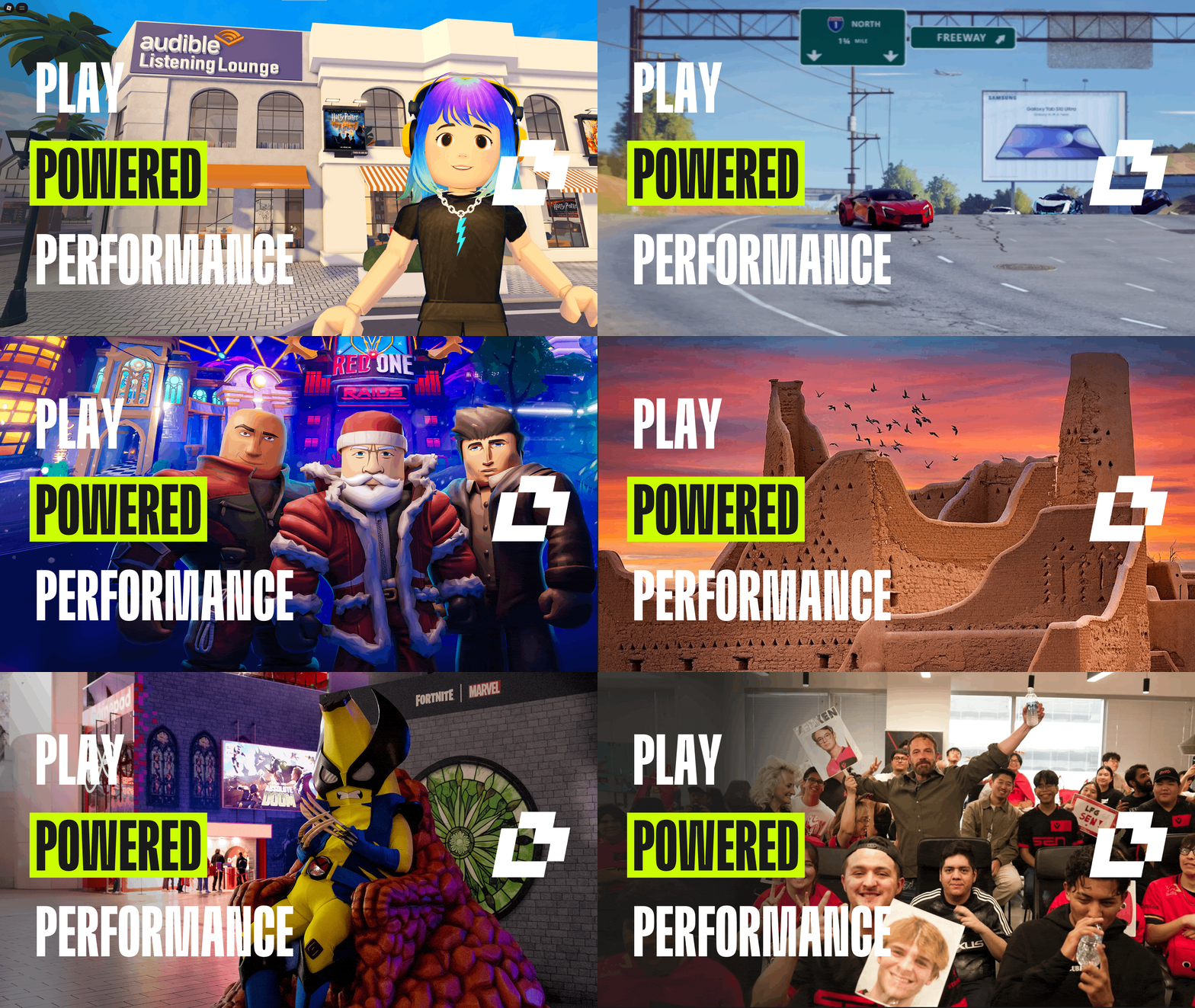
- "Gaming provides the platform for sustained engagement that drives brand impact. We call that special sauce… Play Powered Performance." — Fiona Mellor, Co-CEO
The next five years will be defined by what the industry does with the foundations that companies like Livewire have laid. Let's go.